What is the Pageant?
What Is Youshen?
A sacred ceremony connecting heaven, earth, and community
Origins
A Sacred Tradition from Ancient Times
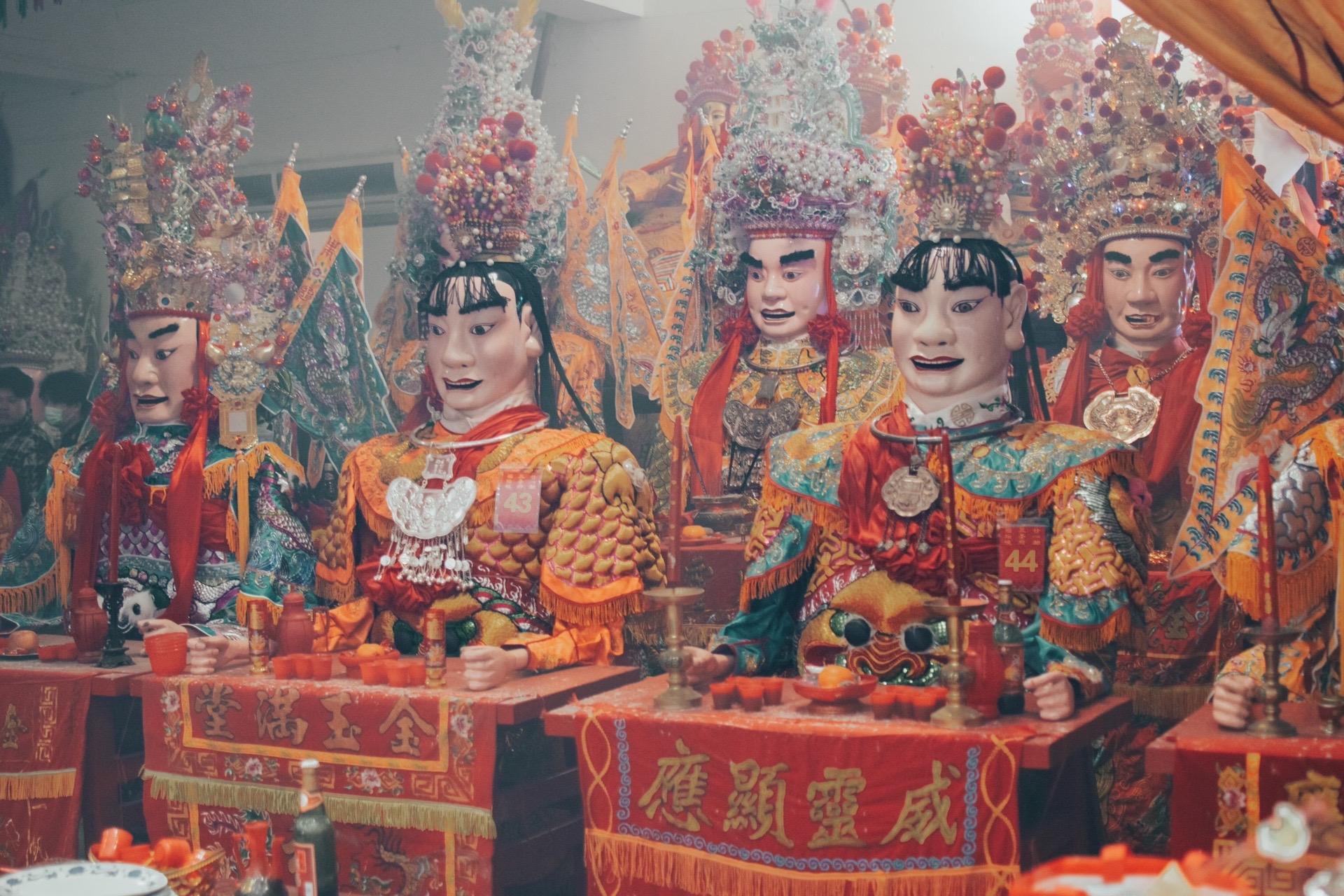
The history of Youshen reaches back toward the Song dynasty. In coastal Fujian, fishing and farming communities believed deities could protect voyages, weather, and household peace. During Spring Festival, villagers invite temple statues into palanquins and carry them through streets to receive incense and reverence.
The tradition expanded through the Ming and Qing periods as villages developed distinct ritual rhythms, deity systems, and procession formations. It preserves faith, but also the way local communities organize, collaborate, and remember themselves.
Field Case
See Youshen Happening Now in Changle, Fuzhou
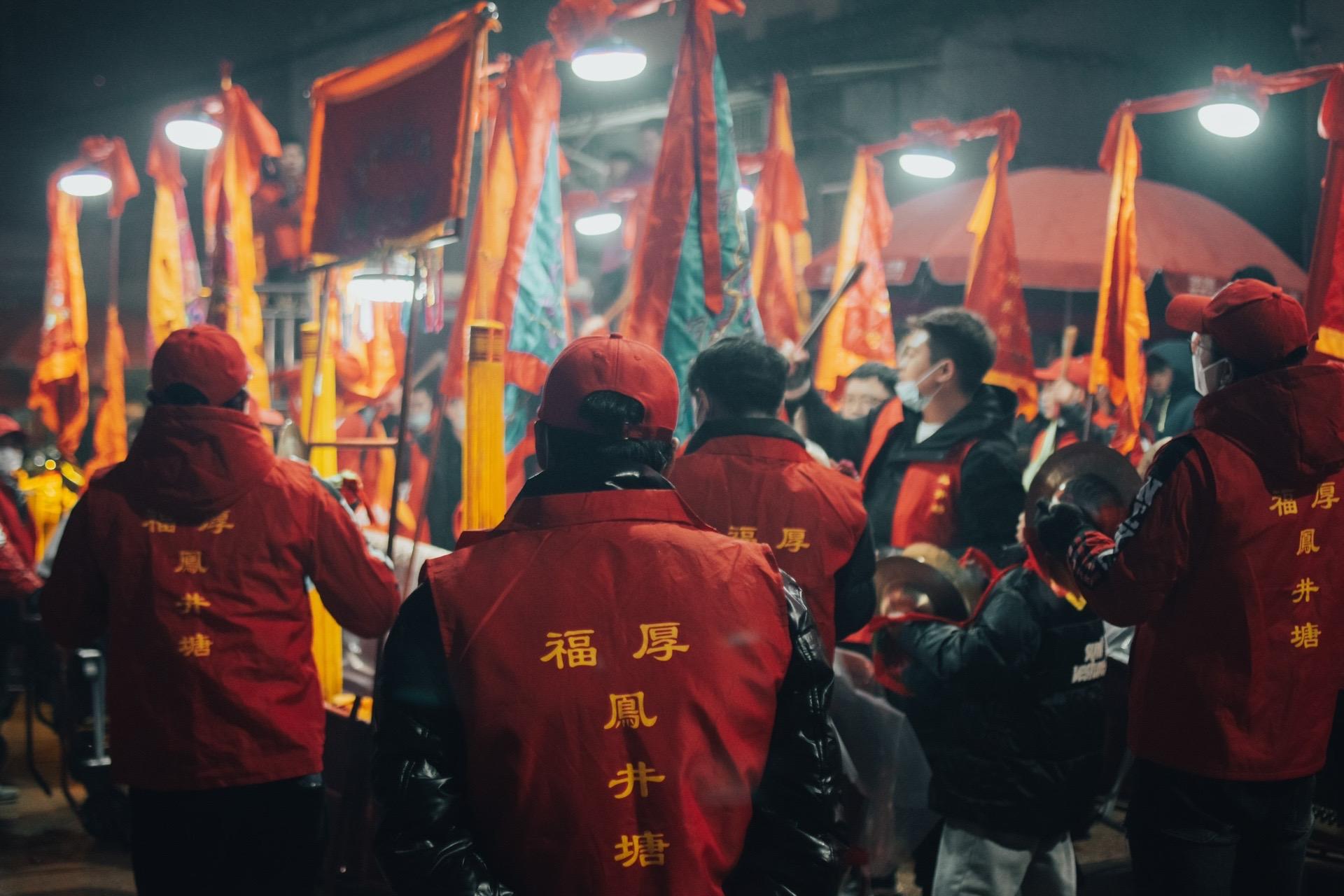
Recent reporting on Houfu, Kefeng, and other Changle villages turns Youshen from an abstract folk custom into a place-based living scene: temple departure, street procession, household reception, and young people returning to help the ritual run.
Read the History and Contemporary CaseDeep Reading
Go Deeper
Enter more specific inner pages through history, ritual objects, and key terms.
Origins and HistorySee how Youshen grew from coastal life, village organization, and the Spring Festival cycle.
Ritual Objects and RolesLearn the roles of palanquins, incense altars, drums, banners, and lanterns.
Youshen GlossaryUse bilingual term explanations to understand the ritual more precisely.
Meaning
A Cultural Bond Beyond Religion
Community Cohesion
Youshen is a village-wide event. Lanterns, formations, offerings, and routes require collective work and give returning villagers a reason to gather.
Cultural Heritage
Younger generations learn statue craft, ritual music, and ceremonial knowledge through participation.
Identity Connection
For overseas Chinese, especially Fujianese diaspora, Youshen is a cultural cord back to the homeland.
Spiritual Anchor
Beyond fast modern routines, Youshen offers a moment to speak with ancestors, homeland, and the inner self.
Field Notes
Not a Static Exhibit, but a Tradition in Motion
The redesigned content is organized around reporting, diaspora memory, and youth participation, making the site feel like an expandable cultural archive.
Changle as a living window
Villages such as Houfu and Kefeng in Changle have become visible case studies, turning Youshen from a local affair into a point of return for visitors and overseas villagers.
Young people are not spectators
Young designers, carriers, drummers, and volunteers are shaping deity figures, procession work, and public storytelling, keeping the ritual solemn while giving it new visual language.
Maritime belief meets diaspora memory
From Mazu worship to Houfu as an overseas-Chinese hometown, Fujian coastal belief connects voyage, migration, return, and family memory.
Context
Truths You Might Not Know
Youshen is superstition
Youshen carries historical, communal, and intangible-heritage value; it cannot be reduced to superstition.
Youshen is just a temple fair
It follows ritual steps from welcoming and procession to station worship and farewell; entertainment is only one visible layer.
Youshen has disappeared
Youshen remains active in Fujian and overseas Chinese communities, drawing renewed attention from younger generations.
Youshen only exists in Fujian
Related traditions also circulate in Taiwan and Southeast Asian Chinese communities as part of wider Chinese folk culture.
Sources
Where the Research Comes From
The content uses public reporting and UNESCO material, while keeping Youshen distinct from the Mazu heritage inscription.
ECNS
Houfu Village field report
Reports Houfu Village in Changle, Fuzhou, with more than 300 deities in procession, growing youth participation, overseas-Chinese hometown context, and a history of more than 400 years.
Open Source People's Daily OnlineChangle Youshen and youth participation
Covers Changle processions across 18 villages, running from morning to the next day, and shows how young designers, carriers, and drummers renew the tradition.
Open Source CGTNParade of deities in southeastern China
Explains Youshen as a southeastern Chinese folk custom and describes Houfu, Changle as a major viewing site with nearly 20 townships, hundreds of deities, and youth-led visual updates.
Open Source UNESCO Intangible Cultural HeritageUNESCO archive on Mazu belief and customs
Mazu belief and customs were inscribed in 2009 on UNESCO Representative List, making them a useful anchor for Fujian maritime belief and overseas transmission.
Open Source